The Mediterranean Diet: Why It’s the Gold Standard for Longevity After 55

If there is one eating pattern that scientists, cardiologists, and gerontologists agree on, it is the Mediterranean diet. After decades of research spanning millions of participants, the evidence is clear: this way of eating is among the most powerful tools available for extending healthy life after 55.
What the Research Shows
The landmark PREDIMED study, published in the New England Journal of Medicine, followed over 7,400 adults at high cardiovascular risk. Those assigned to a Mediterranean diet had a 30% lower rate of major cardiovascular events compared to those on a low-fat diet. A 2021 meta-analysis in Gut journal found that adherence to a Mediterranean diet over 12 months increased beneficial gut bacteria, reduced inflammatory markers, and improved cognitive performance simultaneously.
Core Components
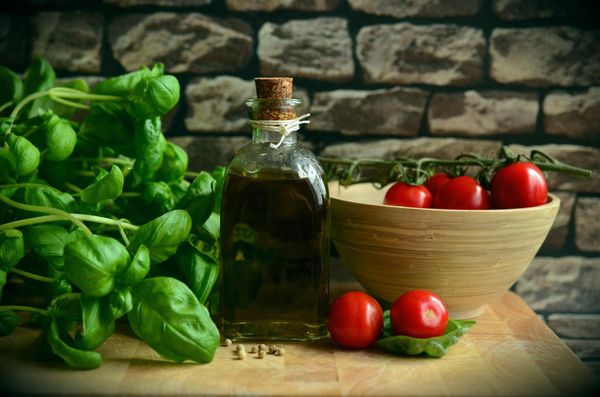
Extra virgin olive oil is the primary fat—rich in oleocanthal, a natural anti-inflammatory. Aim for 3–4 tablespoons daily. Abundant vegetables and legumes provide fiber, antioxidants, and plant protein. Target 7–10 servings daily. Fish twice a week delivers omega-3 fatty acids (EPA and DHA) that reduce triglycerides and protect against neurodegeneration. Nuts daily—a handful of walnuts or almonds provides magnesium and selenium. Whole grains like farro, barley, and bulgur rather than refined carbohydrates.
Why It Works After 55
Aging drives “inflammagig”—a low-grade inflammatory state underlying heart disease, diabetes, cancer, and Alzheimer’s. The antioxidants and polyphenols in olive oil, vegetables, and nuts suppress key inflammatory pathways. The high fiber acts as a prebiotic, nourishing beneficial gut bacteria. Leafy greens, berries, and omega-3s are particularly protective for brain tissue.
A Sample Day
Breakfast: Greek yogurt with walnuts and berries. Lunch: Large salad with sardines, feta, olives, dressed with olive oil and lemon. Dinner: Baked salmon with roasted vegetables and lentils. Snacks: Almonds, hummus with vegetables.
Start with three simple swaps: replace butter with olive oil, add a side salad to one meal daily, and eat fish instead of red meat twice this week. Build from there. The Mediterranean diet is sustainable because it is genuinely delicious—this is its great practical advantage over more restrictive approaches.