Heart Health After 60: The Complete Prevention Guide

Cardiovascular disease claims more lives than all cancers combined. In adults over 60, it’s responsible for roughly 40% of all deaths. But the vast majority of cardiovascular events are preventable—and the evidence accumulated over decades is extraordinarily clear on what works.
The Numbers That Matter
LDL cholesterol and ApoB: Every 40 mg/dL reduction in LDL-C reduces major cardiovascular events by approximately 20%. More informative than total LDL is ApoB—the protein on every atherogenic particle. ApoB directly counts potentially harmful particles and consistently outperforms LDL-C as a risk predictor. Optimal ApoB is below 80 mg/dL. Blood pressure: The SPRINT trial found targeting systolic BP below 120 mmHg reduced cardiovascular events by 25% and all-cause mortality by 27%. Every 10 mmHg reduction in systolic pressure reduces cardiovascular risk by approximately 20%. High-sensitivity CRP: The JUPITER trial demonstrated statin therapy dramatically reduced cardiovascular events in people with normal LDL but elevated hsCRP—validating inflammation as an independent risk factor. Target below 1.0 mg/L. Lipoprotein(a): A genetically determined risk factor present in ~20% of the population. Get it measured at least once after 40. High levels (>50 mg/dL) require more aggressive management of other risk factors.
Dietary Interventions
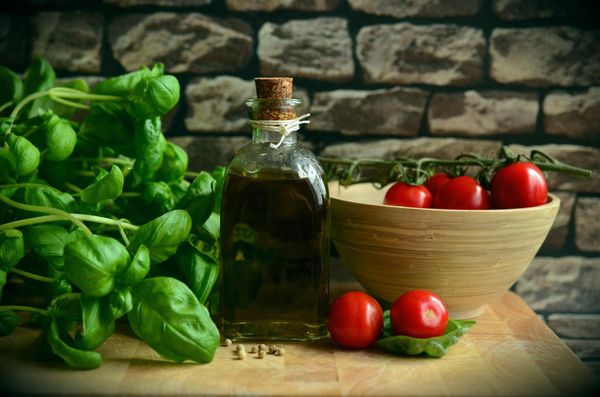
The PREDIMED trial firmly establishes the Mediterranean diet as the most evidence-supported dietary pattern—a 30% reduction in major cardiovascular events. Key components: 3+ tablespoons of extra virgin olive oil daily, 30g of mixed nuts daily, fatty fish twice weekly, and sodium reduction of 1,000 mg/day (lowers systolic BP 5–6 mmHg in hypertensive individuals).
Exercise Protocol
A Harvard Alumni study found those expending ≥2,000 kcal per week in physical activity had 28% lower mortality. For cardiovascular health: Zone 2 cardio (conversational pace) 150+ minutes weekly forms the foundation. Adding 2 sessions of high-intensity intervals significantly improves VO₂max—the strongest cardiovascular mortality predictor known. Resistance training reduces cardiovascular mortality by approximately 14% independently through blood pressure reduction and insulin sensitization.
Get your ApoB, blood pressure, HbA1c, and hsCRP tested. Understand your 10-year cardiovascular risk using the ACC/AHA ASCVD calculator. These numbers, and your response to them, will shape your cardiovascular future more than any single intervention.