
Brain Health
Omega-3s and the Aging Brain: What the Research Actually Shows After 55
Three decades of peer-reviewed research on EPA, DHA, and the aging brain — plus five practical steps for adults 55 and up.

Brain Health
Three decades of peer-reviewed research on EPA, DHA, and the aging brain — plus five practical steps for adults 55 and up.
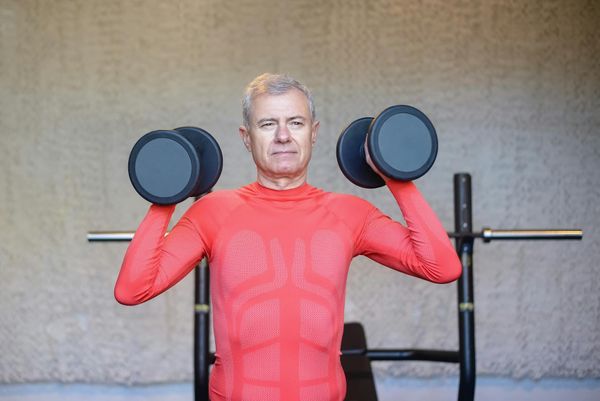
Strength Training
Just 30–60 minutes of weekly strength training is tied to a 17% lower all-cause mortality risk — here's what the peer-reviewed evidence says for adults 55+, and how to start safely.

Mental Health
In 2015, psychologist Julianne Holt-Lunstad published a meta-analysis of 148 studies covering over 300,000 participants. Her finding: social isolation increased mortality risk by 26%, loneliness by 26%, and living alone by 32%. The effect size was comparable to smoking 15 cigarettes per day and exceeded the mortality

Heart Health
Cardiovascular disease claims more lives than all cancers combined. In adults over 60, it’s responsible for roughly 40% of all deaths. But the vast majority of cardiovascular events are preventable—and the evidence accumulated over decades is extraordinarily clear on what works. The Numbers That Matter LDL cholesterol and

Mental Health
In 2004, Nobel Prize-winning molecular biologist Elizabeth Blackburn showed that mothers of chronically ill children had telomeres 10 years shorter than low-stress controls. Telomere length is one of our most direct measures of cellular aging. The mothers under the highest perceived stress had the shortest telomeres and lowest

Health
Inflammation is your immune system’s primary defense mechanism. Acute inflammation is life-saving. But when inflammation becomes chronic and systemic, persisting at low levels without a clear threat, it silently damages tissues throughout the body and accelerates virtually every major age-related disease. Researchers call this state “inflammagig”—it

Brain Health
The Lancet Commission on dementia prevention concluded in 2020 that up to 40% of dementia cases worldwide are attributable to modifiable risk factors. Meaningful prevention is within reach for most people through deliberate lifestyle choices. 1. Protect Your Sleep During deep sleep, the glymphatic system clears amyloid-beta and tau—

Exercise
The 10,000 steps goal is ubiquitous on fitness trackers worldwide. But it was never derived from scientific research—it originated from a 1965 Japanese marketing campaign for a pedometer called “Manpo-kei.” The actual science tells a more nuanced and, for many people, more encouraging story. The Research on

Exercise
One of the most persistent—and damaging—myths in medicine is that building muscle after 60 is not possible. The research says otherwise. Multiple well-controlled studies show that older adults can build muscle, improve strength, and dramatically reduce their risk of falls, fractures, disability, and early death through consistent

Nutrition
If there is one eating pattern that scientists, cardiologists, and gerontologists agree on, it is the Mediterranean diet. After decades of research spanning millions of participants, the evidence is clear: this way of eating is among the most powerful tools available for extending healthy life after 55. What the Research