Omega-3s and the Aging Brain: What the Research Actually Shows After 55
Three decades of peer-reviewed research on EPA, DHA, and the aging brain — plus five practical steps for adults 55 and up.
The 2024 Lancet Commission named hearing loss the largest modifiable risk factor for dementia. The 2023 ACHIEVE trial showed treating it can slow cognitive decline by 48% in high-risk older adults. Five evidence-aligned steps to protect your hearing — and your brain.
A balanced read of the MIND diet research — including the 2023 NEJM trial that surprised many — and what it means for your eating choices after 55.
A landmark 2018 JAMA Internal Medicine trial found Tai Chi reduced falls by 58% in adults 70+. Here's the full peer-reviewed evidence — and how to start safely.
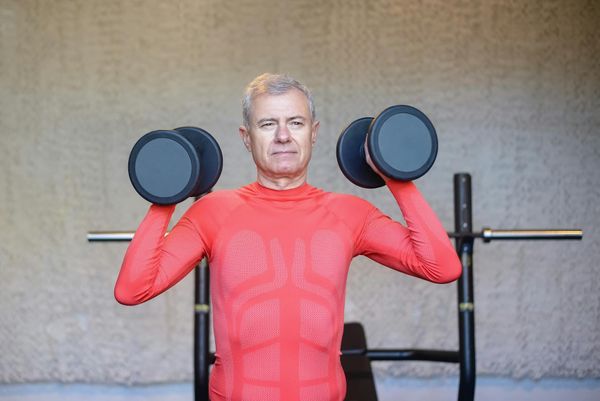
Just 30–60 minutes of weekly strength training is tied to a 17% lower all-cause mortality risk — here's what the peer-reviewed evidence says for adults 55+, and how to start safely.
New research shows magnesium deficiency may be a major — and overlooked — cause of poor sleep in adults over 55. Here's what the science says.
Osteoporosis is called a “silent disease” because bone density loss occurs without symptoms until a fracture happens. Hip fractures in adults over 65 carry a 20–30% mortality rate within one year, driven by complications including pneumonia, blood clots, and the health cascade triggered by immobility. This deserves serious prevention
In 2015, psychologist Julianne Holt-Lunstad published a meta-analysis of 148 studies covering over 300,000 participants. Her finding: social isolation increased mortality risk by 26%, loneliness by 26%, and living alone by 32%. The effect size was comparable to smoking 15 cigarettes per day and exceeded the mortality risk of
🎁Want the full 7-day protocol? I turned this newsletter into a free 10-page PDF — The Magnesium Reset — with dosing tables, a printable sleep tracker, 10 FAQs, and a safety section. Get the PDF here → This week's trusted picks Products and resources worth exploring based on this week'
Cardiovascular disease claims more lives than all cancers combined. In adults over 60, it’s responsible for roughly 40% of all deaths. But the vast majority of cardiovascular events are preventable—and the evidence accumulated over decades is extraordinarily clear on what works. The Numbers That Matter LDL cholesterol and
Poor sleep is the single most underappreciated driver of disease after 55. Before we cover the magnesium-sleep connection next week, here's what healthy sleep architecture actually looks like — and why it changes so dramatically after 60.
In 2004, Nobel Prize-winning molecular biologist Elizabeth Blackburn showed that mothers of chronically ill children had telomeres 10 years shorter than low-stress controls. Telomere length is one of our most direct measures of cellular aging. The mothers under the highest perceived stress had the shortest telomeres and lowest telomerase activity.
Newsletter
Chronic stress doesn't just feel bad — it measurably accelerates biological aging at the cellular level. The telomere research is striking. Here's what to do about it.
Nutrition
The human gut microbiome—the 38 trillion bacteria and other microorganisms living in your digestive tract—is one of the most important determinants of health throughout life. In older adults, the microbiome undergoes predictable changes that have significant consequences for immunity, inflammation, metabolism, and even brain function. The good news:
Newsletter
Omega-3 fatty acids have more high-quality research behind them than almost any other supplement. After 55, the case for adequate intake becomes even more compelling.
Exercise
Stiffness is not an inevitable feature of aging. While some reduction in flexibility does occur with biological changes—collagen cross-linking, reduced synovial fluid, decreased muscle elasticity—the degree of mobility loss most people experience is largely the result of inactivity, not inevitable biology. Why Mobility Matters for Longevity A study
Newsletter
Falls are the leading cause of injury death in adults over 65. Balance is trainable at any age — and a 5-minute daily practice can cut fall risk by more than 30%.
Health
Inflammation is your immune system’s primary defense mechanism. Acute inflammation is life-saving. But when inflammation becomes chronic and systemic, persisting at low levels without a clear threat, it silently damages tissues throughout the body and accelerates virtually every major age-related disease. Researchers call this state “inflammagig”—it is one
Newsletter
After 55, the thirst mechanism becomes less reliable — meaning you can be meaningfully dehydrated without feeling thirsty. The effects on cognition, energy, and kidney health are significant.
Nutrition
Intermittent fasting (IF) has moved from fringe dietary practice to mainstream medical interest, driven by growing research on its metabolic effects and potential longevity benefits. For adults over 55, the evidence is genuinely promising—but it comes with important caveats that deserve honest examination. What Fasting Does to the Body
Newsletter
Most of what adults over 55 assume is 'normal cognitive aging' is actually driven by modifiable lifestyle factors. The FINGER trial changed what we know is possible.
Brain Health
The Lancet Commission on dementia prevention concluded in 2020 that up to 40% of dementia cases worldwide are attributable to modifiable risk factors. Meaningful prevention is within reach for most people through deliberate lifestyle choices. 1. Protect Your Sleep During deep sleep, the glymphatic system clears amyloid-beta and tau—the
Newsletter
The microbiome research of the past decade has upended our understanding of immunity, inflammation, and even cognition. Aging does significant damage to your gut — but much of it is reversible.
Metabolic Health
Prediabetes affects 88 million American adults—more than 1 in 3—and 84% are unaware of their status. An HbA1c between 5.7% and 6.4%, or fasting glucose between 100 and 125 mg/dL, qualifies as prediabetes. The traditional medical response has often been to “watch and wait.” This